STILL RUNNING · 2018 – today · dept: unglamorous · Rewopme Media → Blank & White Studios → GetMyCreative
The back office: eight years of hiring, vendors and keeping the lights on
The company underneath every other case on this site. Started at 17, renamed twice, never
stopped trading. I ran it as founder-operator, hiring and training, pricing and collections, vendors and
payroll, and eventually the hardest ops job of all: building it so it runs without me.
72+brands on the studio's books10,000+ projects out the door, Budweiser to the neighbourhood yoga studio
4 – 24hturnaround, in writingpublished on the website, so process and not heroics is what keeps it
₹5Lpeak retainer book, per monthproductise the small work, retain the big work, so a slow month doesn't miss payroll
Timeline2018 – today · 8 yearsStatusOpen for business, still taking briefsTeam
MeG+
Problem
It started as one person answering a Facebook group, and stopped being that the first time two retainers wanted the same week. We couldn't outbid the big studios for the people who do the work.
What I did
Hired and trained on live briefs, put the quality in systems instead of individuals, productised the small work and retained the big work, and chased the invoices myself.
Result
It ships without me. I build ELTH and comeoffline full-time now; the studio still takes briefs, and the person answering them is my co-founder.
01 The crew
The crew: hired, trained, sometimes lost, always replaced
The agency started as one person answering a Facebook group. It stopped being that the first time
two retainers wanted the same week. From then on the real job was people: hiring young designers and
editors, training them on live client briefs, and losing the best ones to bigger studios with bigger
salaries, then refilling the bench without a single retainer noticing the gap.
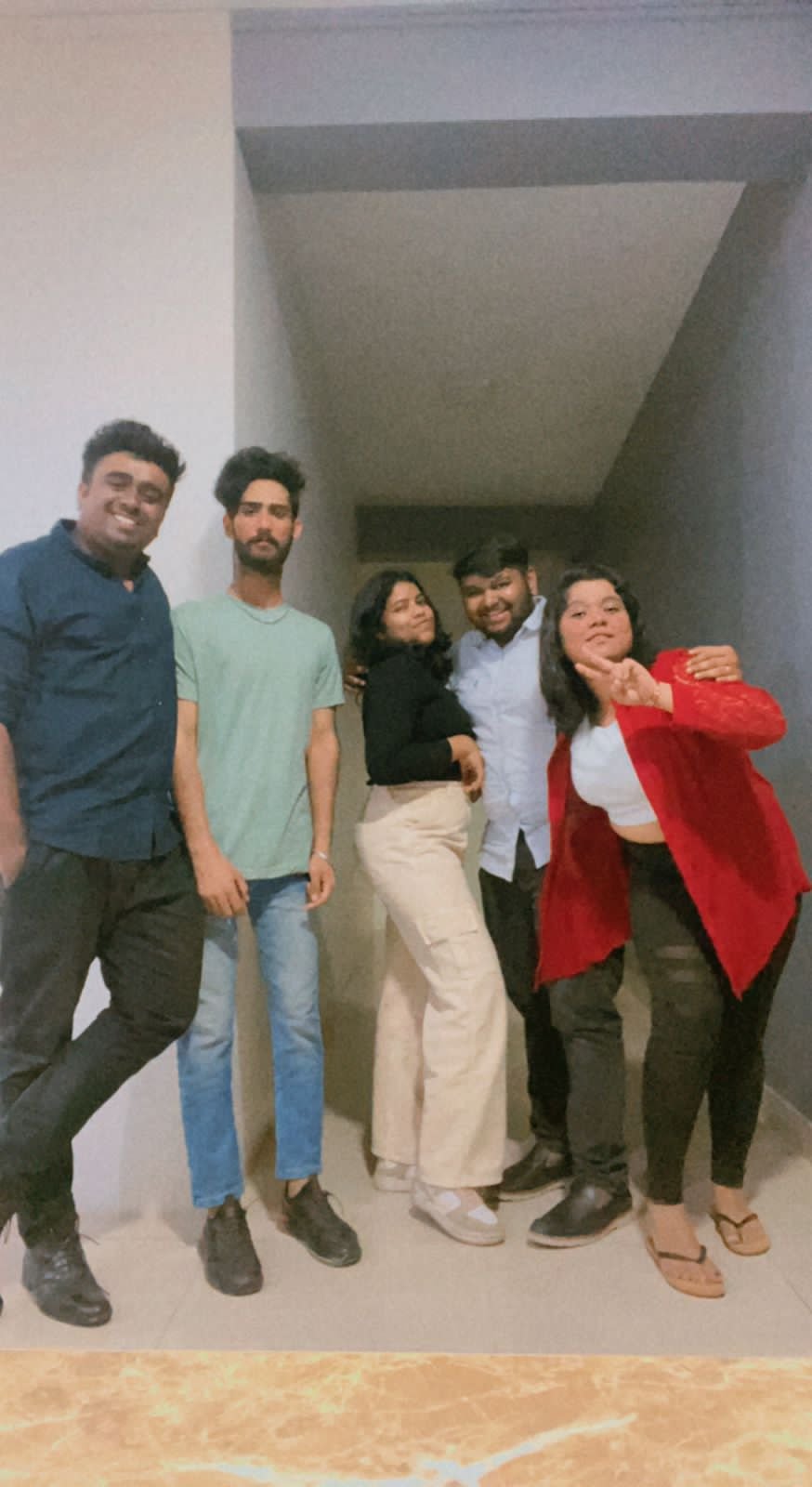
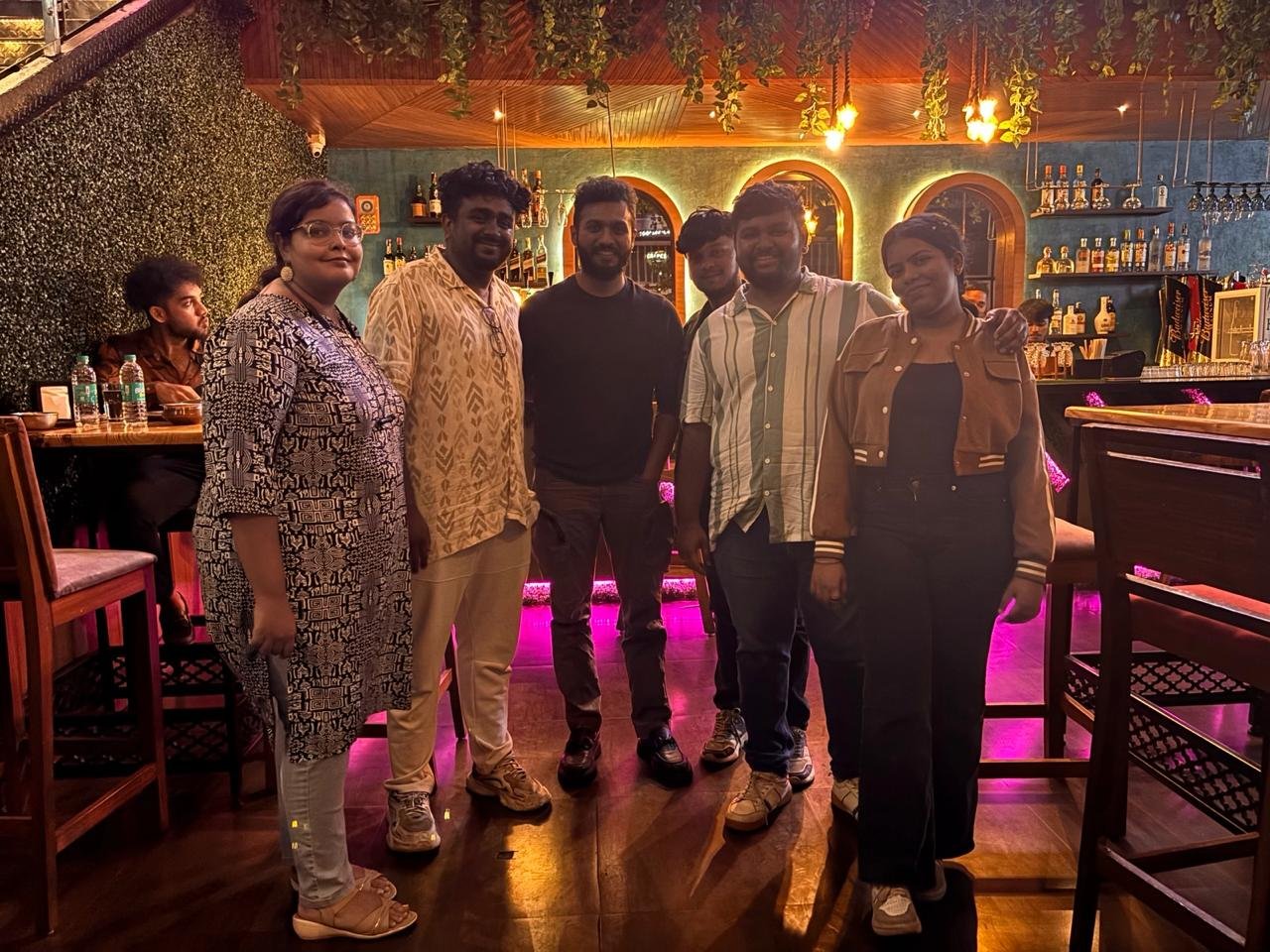
the crew, between deliverableswrap night, Bangalore
1 · People ops
Keeping the work senior when the payroll was junior
We couldn't outbid the big studios, so the systems had to hold the quality instead of the
individuals: brand kits and templates per client, checklists per deliverable, and a review pass
that stayed mine long after the production didn't. When someone left, their successor inherited
a folder, not a mystery.
Trained on live briefs
No sandbox projects. New hires shipped real client work in week one, inside the guardrails.
Attrition, survived
Losing people to bigger paycheques was a constant. The retainers renewed anyway. That's the receipt.
2 · Event days
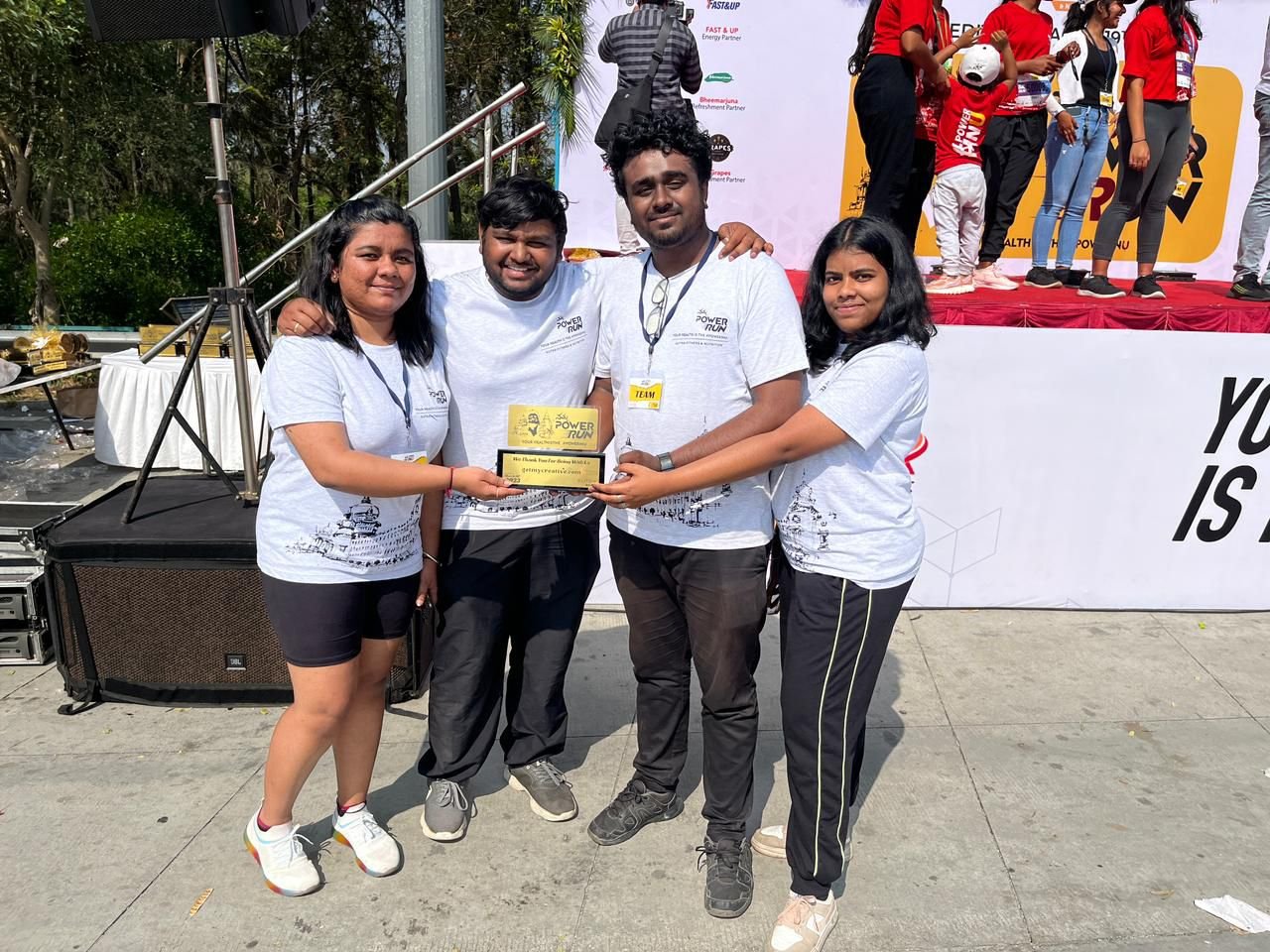
On race morning, the whole company works the ground
For Namma Power Run, 4,000+ runners, three editions, the
studio wasn't behind screens. Everyone had a station: content capture, sponsor walls, the stage.
The organisers' thank-you memento in the photo above is made out to
getmycreative.com. The studio, not a person. That's the point of a team.
02 The client wall
Every logo below paid an invoice
Every logo below paid an invoice: retained accounts and one-off projects, from beer giants and
carmakers to a Kannada film house and the yoga studio down the road. The studio's site counts
72+ brands; these are the marks with stories on this portfolio.
+ 50 more on the studio's books
Keeping this many logos happy at once is a scheduling problem, a cash-flow problem
and a people problem before it is ever a design problem.
03 The books
The books: pricing, collections, procurement
The money side ran on two rules learned early: productise the small work so a ₹15K
logo job can't eat a week, and retain the big work so a slow month doesn't miss payroll.
Peak retainer book: ₹5L MRR. Collections were mine. Chasing invoices teaches you more about ops than
any dashboard.
The paperwork could be the hard part. Winning the Karnataka Milk Federation meant a quotation, MD
approval and a formal work order. Four months of procurement for a packaging job delivered in less.
The work order is on the agency file →
And one scar worth naming: the AI product we built under the studio died of an ops failure: a hacked
API key and a ₹8L cloud bill. The studio absorbed the hit and kept
trading. Ops is also what survives the bad quarter.
THE BACK OFFICE · ITEMISED
2018 – today · founder-operator
Founded2018, at 17
Names wornRewopme → B&W → GetMyCreative
Brands served72+ and counting
Projects out the door10,000+
Turnaround, promised4 – 24 hours
Peak retainer book₹5L MRR
Statusopen for business
the unglamorous parts, done daily.
04 Runs without me
The strongest proof: it runs without me
Since 2024 I've been building products: GetMyCreative AI, then
ELTH and comeoffline. The studio didn't pause.
It takes briefs today, under my co-founder, on the systems we built together. An operation that only
works while the founder is in the room isn't an operation. It's a founder with helpers.
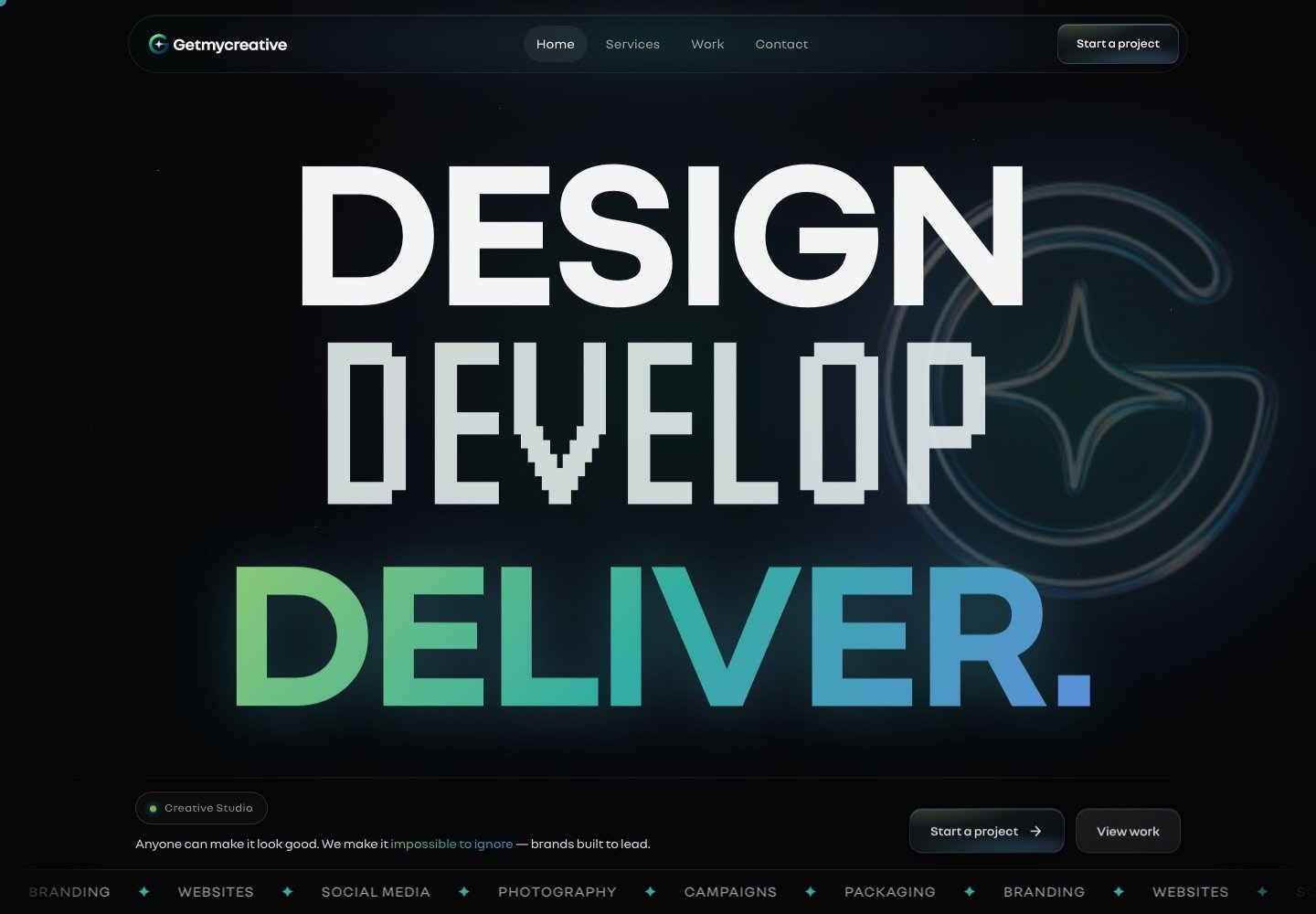
getmycreative.com · liveThe studio's site, captured today, still taking briefs. The contact on it isn't me.
The same muscle runs elsewhere too. A working Bangalore clinic runs its entire day, from
appointments to pharmacy to the books, on software I build and maintain. Operating other
people's businesses is now the family trade.
05 What it taught me
Own the unglamorous thing, then build it to run without you
Ops is the discipline of making a promise repeatable.
Anyone can deliver once. Payroll, vendors, turnaround and quality, every week for eight years, is a system.
This is the file that maps most directly onto my next job, wherever it is: take the unglamorous thing:
the vendor mess, the hiring gap, the collections backlog. Own it end to end, and build it so it keeps
running after you've moved to the next fire.